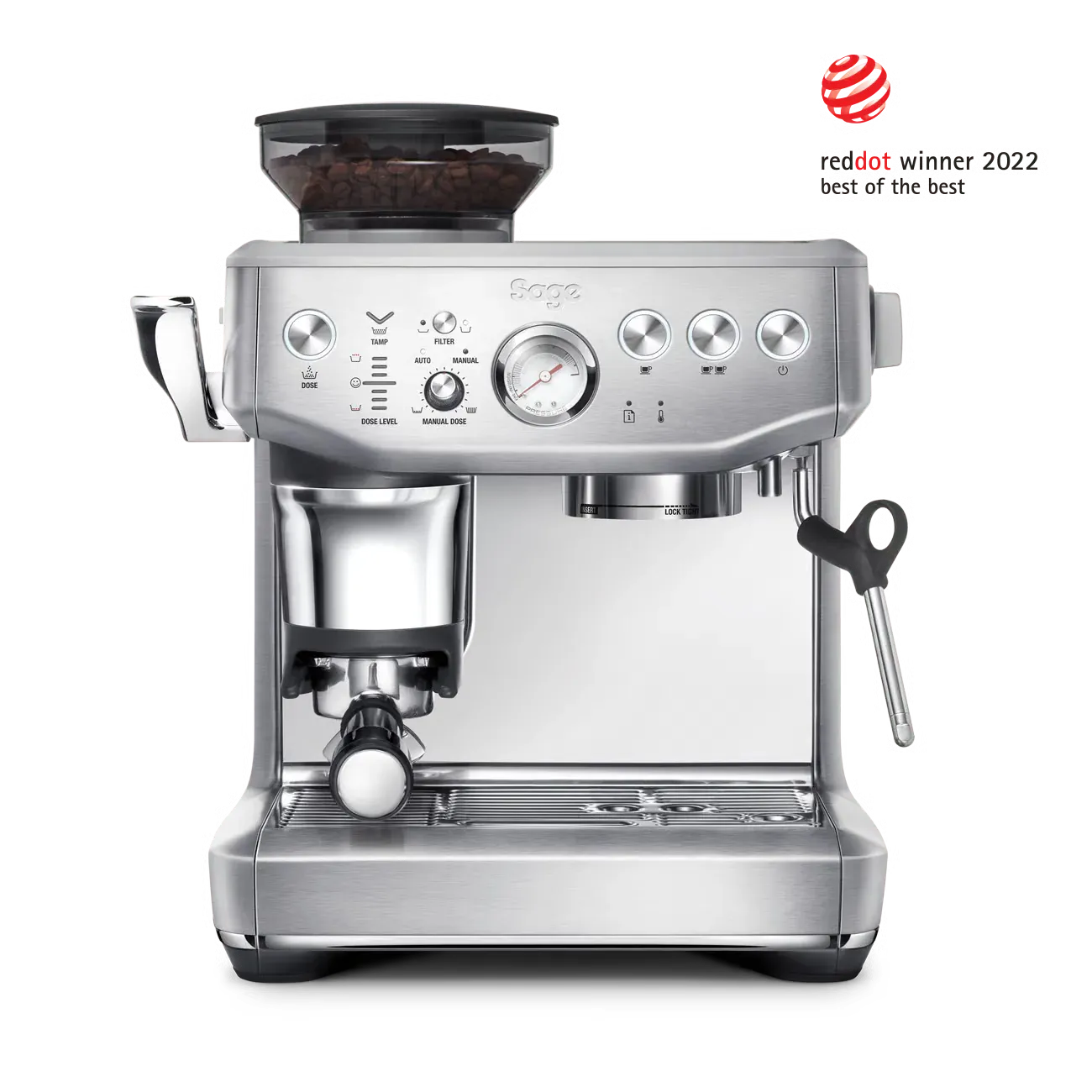
If you want real espresso at home without buying a separate grinder, and you want consistent results from day one, the Sage Barista Express Impress is the machine to buy. The built-in conical burr grinder and assisted tamping system solve the two problems that trip up most new espresso drinkers. This review covers what you need to decide whether it belongs on your counter.
TL;DR
-
Best all-in-one espresso machine for UK home users who want grind-to-shot in one appliance
-
The assisted tamping system removes the single biggest beginner mistake
-
Compare it with a separate machine and grinder because promotions can change the value calculation
Who Should Buy This
-
Home baristas who want grind, dose, and tamp handled in one workflow
-
People upgrading from pod machines who want real espresso without a steep learning curve
-
Anyone with limited counter space who cannot accommodate a separate grinder
-
Coffee drinkers who primarily make flat whites, lattes, and cappuccinos
Who Should Avoid This
-
Serious enthusiasts who want to upgrade grinder and machine independently over time
-
Anyone who buys pre-ground coffee exclusively
-
Buyers focused purely on manual technique development
-
Those looking for the best machine strictly under £500 (check the Best Espresso Machine Under £500 UK guide instead)
Key Specs
| Spec | Detail |
|---|---|
| Pump pressure | 9 bar (extraction) |
| Heater | Thermocoil with PID control |
| Portafilter diameter | 54mm |
| Grinder burrs | Conical stainless steel |
| Grind settings | 25 steps |
| Water tank capacity | 2L |
| Steam wand | Manual |
| Dimensions (W x D x H) | 33 x 38 x 41cm |
| Weight | 10.98kg |
Grinder Performance
The built-in conical burr grinder is the centrepiece of this machine. It offers 25 grind settings across the espresso range. There is no universal sweet spot because roast level, bean age, dose and basket all affect the correct setting.
The grinder is integrated with Sage’s intelligent dosing system. It uses the result of the previous dose to guide the next one, then indicates whether the basket needs more or less coffee. You should still verify dose and yield with a scale while dialling in.
The grind quality is adequate for home espresso, especially with medium and darker roasts. A standalone grinder can offer smaller adjustment steps, lower retention and an independent upgrade path. This Home-Barista owner thread shows the practical limitation: one setting can run fast while the next can choke the shot.
For context, the built-in burr set is small by prosumer standards, where larger flat burr grinders are common. If you eventually want to move into best prosumer espresso machine territory, a dedicated grinder will become relevant. But for the first two to three years of home espresso, this grinder does the job well.
The Assisted Tamping System
This is the feature that separates the Impress from its predecessor, the Barista Express. The assisted tamping system applies consistent pressure and angle every time you tamp. Uneven tamping causes channelling, which ruins extraction and produces sour or bitter shots. Removing that variable is a genuine benefit.
The system works through the side lever. It applies a 10kg tamp and finishes with a 7-degree twist, giving the puck a repeatable finish without freehand tamping.
For experienced baristas, this feels like a constraint. For new users, it is a quality-of-life improvement that owners report shortens the learning curve by several weeks compared to freehand tamping on the standard Barista Express.
Espresso Extraction
The thermocoil heater is faster than a traditional single boiler. Sage’s UK manual says the heating light can flash for up to 55 seconds from switch-on, while the PID-controlled Thermocoil targets 93°C during extraction. That is quick enough for a weekday workflow without pretending it matches Sage’s 3-second ThermoJet machines.
Shot consistency is good. The 9 bar extraction pressure is correctly regulated, which matters because over-pressured machines running at 15 bar cause over-extraction and harsh flavours. Sage have correctly set this to 9 bar.
Pre-infusion runs automatically, wetting the puck at low pressure for approximately 5 seconds before full extraction begins. This reduces channelling risk and improves extraction evenness on less evenly distributed pucks.
Steam and Milk Texturing
The steam wand is a single-hole manual wand. It requires technique to produce good microfoam. This is not a one-touch automatic frother.
The trade-off is real control over milk texture. Once you learn the basics of stretching and rolling milk, you can produce latte art quality foam. The learning curve is steeper than an automatic frother, but the ceiling is higher.
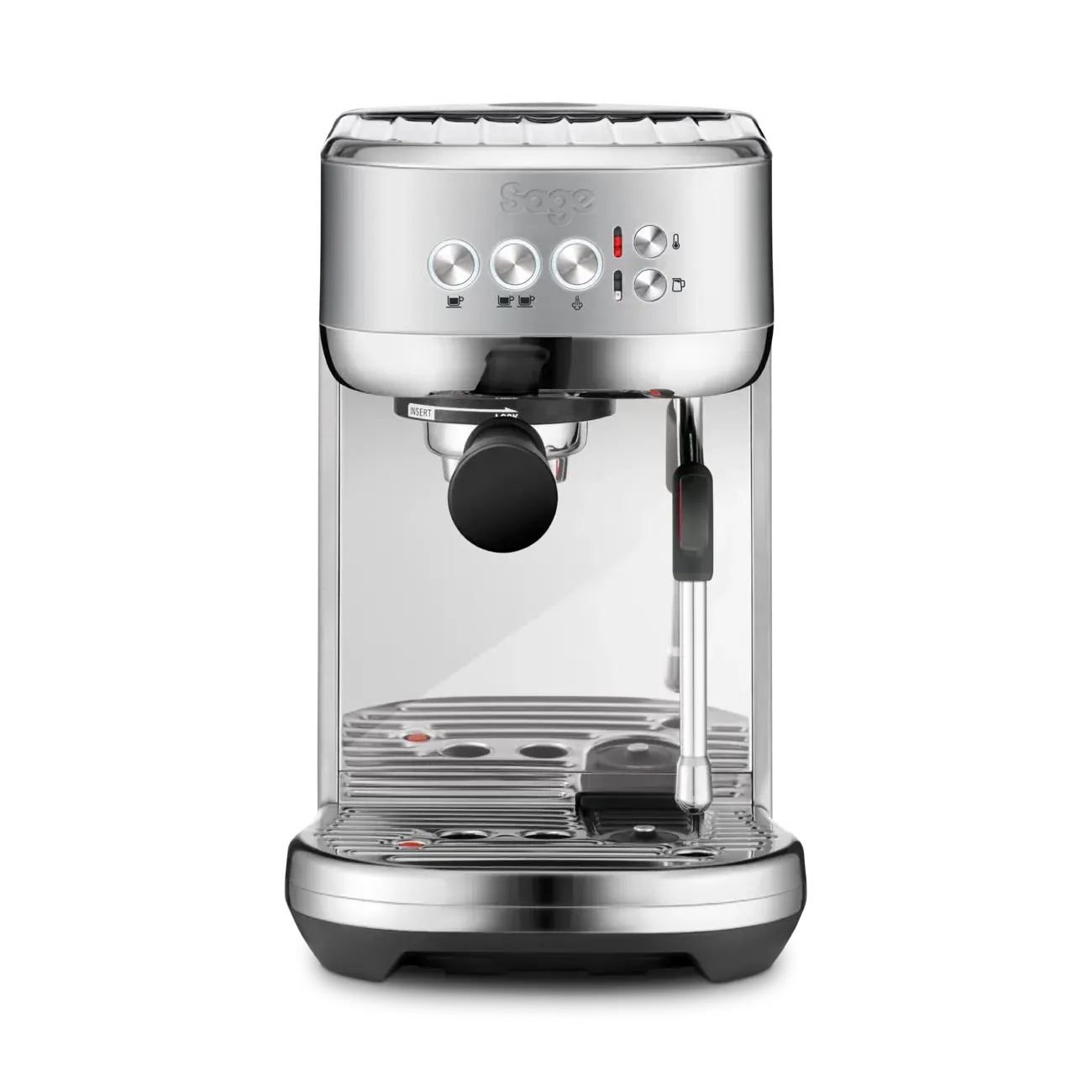
Steam power is modest compared to dual boiler machines. Stretching milk for a single latte takes longer than on a dedicated steam boiler machine. If fast milk texturing for multiple drinks is a priority, the Sage Bambino Plus has a powerful automatic steam function that handles this faster, though you sacrifice grinder integration.
Grinder Pairing
The BEI includes an integrated conical burr grinder, so a separate grinder is not required. If you later want smaller adjustment steps, lower retention or more clarity from lighter roasts, the upgrade path is a standalone grinder. This Home-Barista discussion explains why the grinder often becomes the first limit.
What’s Actually Bad About It
The 54mm portafilter limits long-term upgradability.
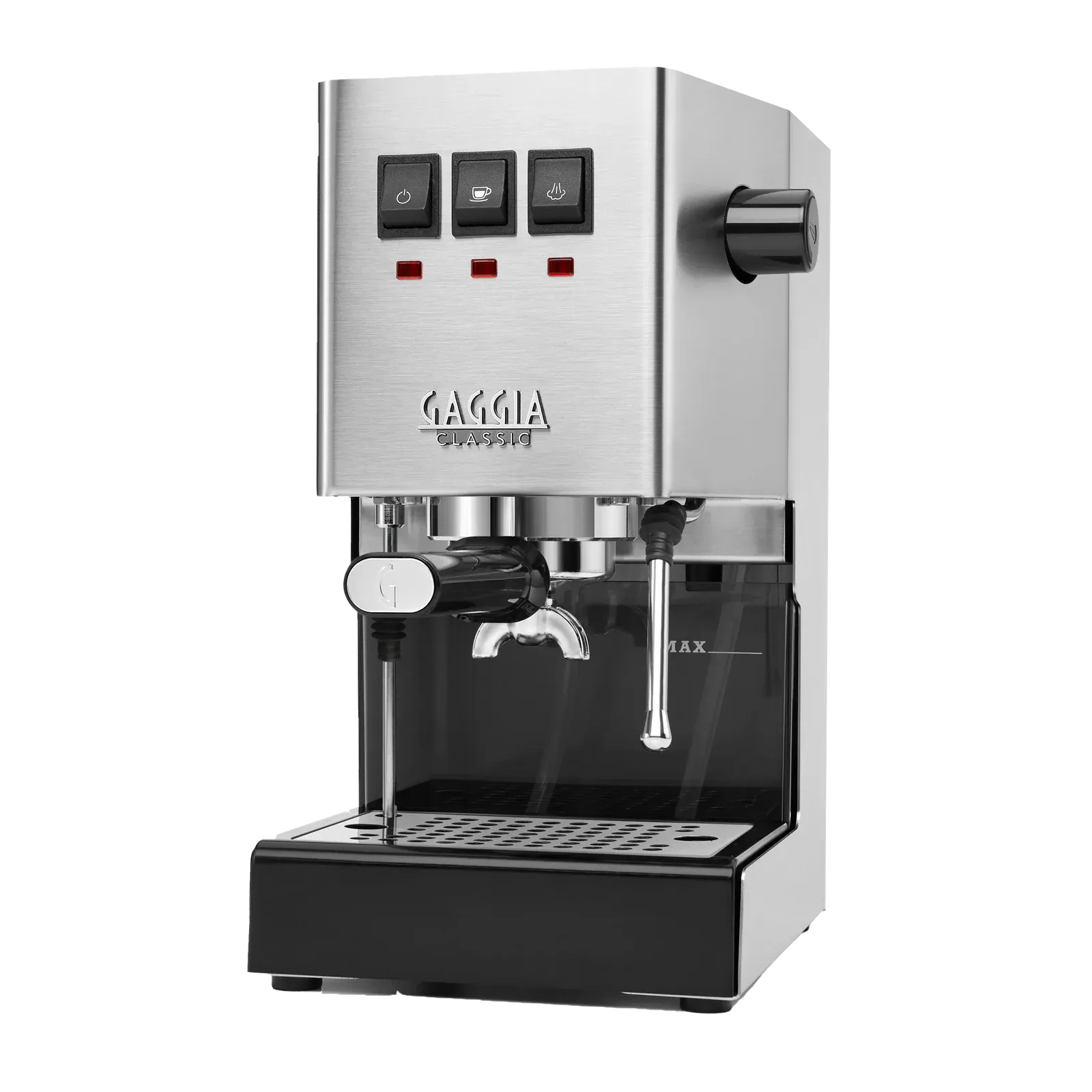
The 54mm Sage format has fewer transferable accessories than the common 58mm format. It is not a problem for normal use, but baskets and tampers will not follow you to most enthusiast machines. If that ecosystem matters, the Gaggia Classic is worth considering. See the Barista Express Impress vs Gaggia Classic comparison.
The built-in grinder cannot be upgraded independently.
If you develop your palate and want a better grinder, you cannot simply swap it out. You would need to use the machine without its built-in grinder or buy a new machine entirely. Buyers who anticipate wanting grinder upgrades within two years would be better served buying a standalone grinder and a separate machine.
Single-heater workflow means no simultaneous steaming and brewing.
You pull your shot, then switch to steam mode and wait for the temperature to climb for milk texturing. Owners report a typical 30 to 45 second switching delay, as noted in multiple r/espresso threads. For a single morning coffee this is fine. For making four lattes for guests it becomes noticeable. A dual boiler machine solves this, but at significantly higher cost.
It is bulky for a single-appliance machine.
At 10.98kg and 330mm wide (John Lewis lists 330 x 410 x 380mm, W x H x D), this takes up meaningful counter space. The combined grinder-and-machine footprint is actually larger than many separate compact grinder and machine combinations. Measure your counter before ordering.
The grinder produces some retention.
Grind retention, where coffee grounds sit inside the grinder chute between doses, can affect freshness if you do not purge between uses. This is a common criticism of integrated grinders noted across Home-Barista community discussion. The solution is simple: purge a few grams before each dose.
How It Compares
Sage Barista Express Impress vs Sage Bambino Plus
The Bambino Plus is the better machine if you already own a good grinder or are happy to buy one separately. It has a more powerful steam system and automatic milk texturing. It costs significantly less. The Impress wins on integrated convenience and the tamping assist system. Full comparison: Bambino Plus vs Barista Express Impress.
Sage Barista Express Impress vs Gaggia Classic Evo Pro
The Gaggia Classic Evo Pro is for buyers who want to learn manual technique on a 58mm, upgradable platform. It has no built-in grinder, requires a separate purchase, and demands more from the user. The reward is a machine that grows with you into serious home espresso. The Impress is easier and more complete out of the box. See the Barista Express Impress vs Gaggia Classic Evo Pro comparison for more detail.
For a broader view of where this machine sits in the market, the Best Espresso Machines for Home Use UK 2026 guide covers the full landscape.
FAQ
Is the Sage Barista Express Impress good for beginners?
The Sage Barista Express Impress suits beginners well. The assisted tamping system removes the most common mistake new users make, and the integrated 25-step grinder simplifies the workflow from bean to shot. Owners report pulling drinkable shots within the first week in most cases. The manual steam wand requires more practice, but the overall learning curve is gentler than most manual setups at this price point.
How long does the Sage Barista Express Impress take to heat up?
Sage’s UK manual says the heating light may flash for up to 55 seconds after switch-on. The PID-controlled Thermocoil then targets 93°C during extraction. It is faster than a traditional single boiler, but not as immediate as the 3-second ThermoJet in the Bambino range.
Does the Sage Barista Express Impress use pre-ground coffee?
Yes. You can dose pre-ground coffee directly into the portafilter without using the integrated grinder. This is useful for occasional decaf, although freshly ground coffee gives you more control over flow and extraction. Use the basket appropriate to the coffee and follow Sage’s dosing guidance.
What portafilter size does the Sage Barista Express Impress use?
The Barista Express Impress uses a 54mm stainless steel portafilter designed for an 18g dose. Third-party baskets and tools exist, but the ecosystem is smaller than the common 58mm format used by many enthusiast machines. Check exact compatibility before buying accessories because nominal diameter alone does not guarantee fit.
Is the Sage Barista Express Impress worth the money in the UK?
For UK buyers wanting grind-to-shot integration without managing two appliances, the Barista Express Impress can offer strong value. Its assisted tamping system and integrated conical burr grinder with 25 settings are the reasons to choose it. Buyers open to separates should compare current combined prices and the benefit of upgrading each component independently.
Can the Barista Express Impress make latte art?
Yes. Its manual steam wand can create microfoam suitable for latte art once you learn tip position, aeration and the milk whirlpool. It does not automate milk texture like the Bambino Plus, so expect practice. The manual wand suits buyers who want to develop technique rather than press one button.
Does the Barista Express Impress need a separate grinder?
No. The machine includes a conical burr grinder with 25 external settings and doses directly into the 54mm portafilter. A separate grinder becomes relevant only if you want finer adjustment, lower retention or an independent upgrade path. Starting with the integrated grinder is the point of this model.
Final Verdict
This is the all-in-one for UK home users who want real espresso without managing a separate grinder or perfecting a freehand tamp. The assisted tamping system removes a variable, the PID-controlled Thermocoil targets 93°C, and the 25-setting grinder covers a practical home espresso range.
The downsides are real: the 54mm portafilter limits transferable accessories, brewing and steaming are sequential, and the grinder cannot be independently replaced. None of these are dealbreakers for the target buyer.
This is the machine for buyers who want an integrated grinder, assisted tamp and capable espresso from one appliance. If you already own a good grinder or want a 58mm platform, look at the Gaggia Classic or the best espresso machine under £500 UK guide for alternatives.
Owner caveats come from this r/espresso comparison and Home-Barista discussion. Specifications come from Sage Appliances UK the official UK user guide and the John Lewis product listing for weight and dimensions.