TL;DR
-
An accessible first electric espresso grinder for UK buyers
-
40mm conical steel burrs with 20 espresso-specific micro-steps for easy dialling in
-
Pairs brilliantly with the Bambino Plus or Gaggia Classic as a first serious setup
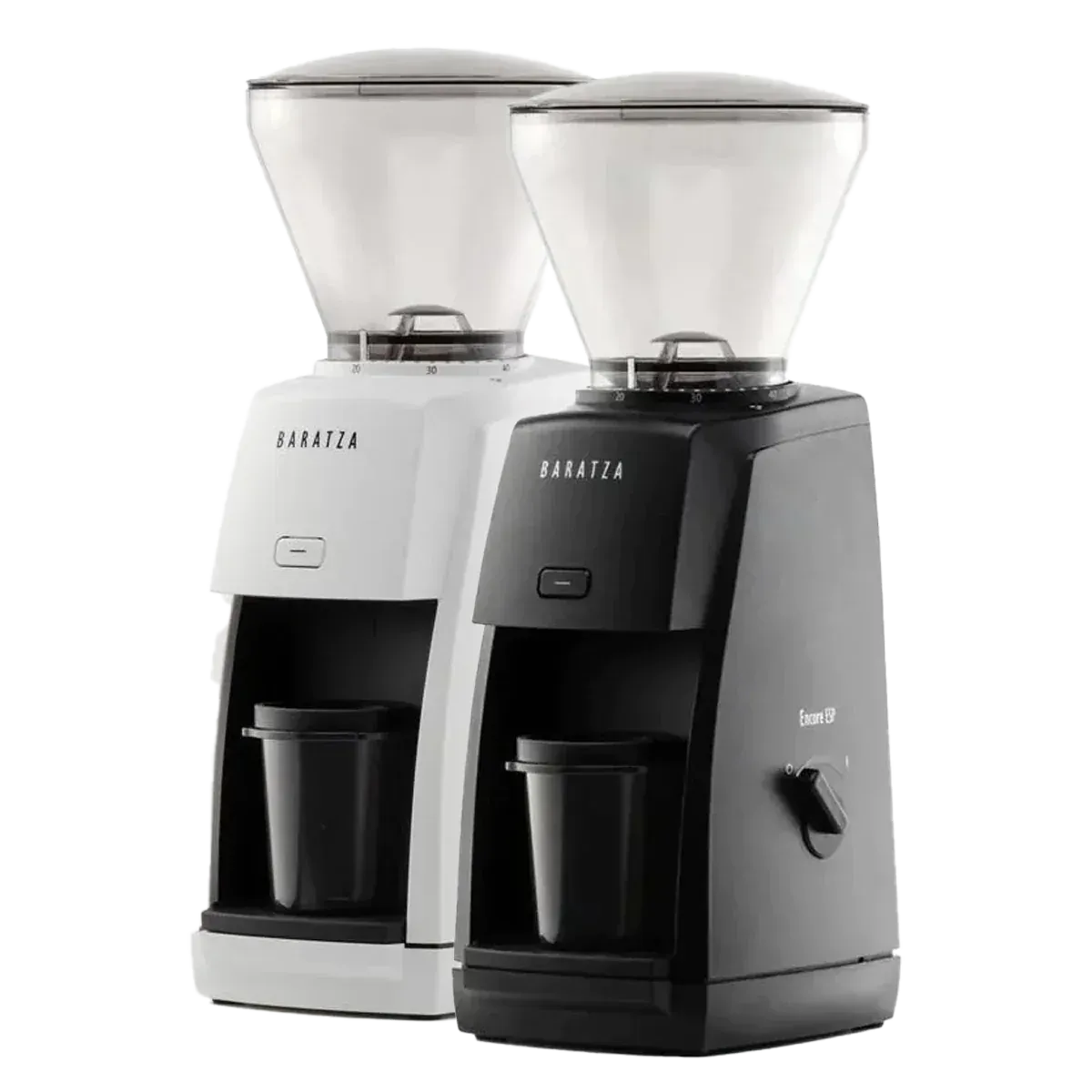
If you want a straightforward first electric grinder for a Sage Bambino Plus or Gaggia Classic, buy the Baratza Encore ESP. Its 20 espresso-focused steps make dialling in approachable, while the included dosing cup and 58mm adapter support both Sage and standard portafilter workflows. It is best with medium and darker roasts; light-roast buyers should expect to want finer control.
Who Should Buy the Baratza Encore ESP
-
You’re building your first serious espresso setup and want accessible electric grinding
-
You want one grinder that handles espresso during the week and filter on weekends
-
You value simplicity over endless adjustment (stepped, not stepless)
-
You’re pairing with a Bambino Plus, Bambino, Gaggia Classic, or similar entry machine
Who Should Skip It
-
You drink exclusively light roast single origins (the stepped adjustment struggles with precision at lighter roasts)
-
You already own a capable hand grinder like a 1Zpresso JX-Pro and want a clear upgrade, not a sidegrade
-
You need near-zero retention for single-dosing (the chute holds back a variable amount of coffee)
Baratza Encore ESP Key Specs
-
Burr type: 40mm conical, stainless steel (M2 by Etzinger)
-
Grind settings: 40 stepped (20 espresso micro, 20 filter macro)
-
Burr speed: 550 RPM
-
Grind speed: 1.3 g/s (setting 10) to 2.2 g/s (setting 30)
-
Weight: 3.1 kg
-
Hopper capacity: 300g
-
Grounds bin: 120g
-
Noise: ~92 dB
-
Motor: High-torque DC with thermal cutout
-
Dosing: 54mm anti-static cup + 58mm adapter included
-
UK voltage: 230V
Espresso Grind Quality
The Encore ESP splits its 40 settings into two distinct zones. Settings 1 to 20 are micro-stepped for espresso, giving you tight, precise adjustments where small changes matter most. Settings 21 to 40 are macro-stepped for filter, AeroPress, and French press. This dual-range approach is what separates it from the original Encore, which was never designed for espresso.
On medium and dark roasts, it performs well above its price point. One r/espresso user paired it with a Gaggia Classic Pro and reported “pulling good espresso double shots” after a few hours of learning. The 40mm Etzinger M2 burrs produce a grind that’s consistent enough for repeatable shots, though you’ll notice slightly more fines scatter than a dedicated espresso grinder twice the price.
Where it gets trickier is with light roasts. The stepped adjustment means you can sometimes land between the ideal setting, and independent testing confirms that installing the included calibration shims for finer grinding introduces more retention, clumping, and heat. If light roast single origins are your thing, budget more for a DF54 or Eureka Mignon.
Versatility Beyond Espresso
This is a true dual-purpose grinder. The macro range (settings 21 to 40) handles pour-over, AeroPress, and French press without any fiddling. You don’t need to re-dial for espresso every Monday morning because the stepped settings are repeatable. Twist to 8, you get the same grind as last time.
For a household where one person drinks espresso and another prefers filter, the Encore ESP avoids the “dedicated espresso grinder” trap that leaves you buying a second grinder for everything else.
Build Quality and Noise
The body is mostly plastic, and it feels like it. The adjustment ring on the ESP is metal (an upgrade from the original Encore’s plastic ring), but the housing won’t fool anyone into thinking this is a premium build. At 3.1 kg, it’s light enough that it can shift on the counter during grinding if you’re not holding it.
Noise is the biggest surprise. At approximately 92 dB, it’s louder than most people expect. That’s roughly the volume of a lawn mower at distance. Owners describe the sound as “rattly and hollow.” If early morning grinding is part of your routine and you share walls with light sleepers, this is worth knowing.
Grinder Retention and Workflow
The Encore ESP is not a zero-retention grinder, and there is no single reliable figure for how much it holds back. Owner reports range from barely measurable losses on a seasoned grinder to a noticeable amount vanishing into a freshly cleaned chamber on its first dose. A tap on the hopper helps clear the chute. Either way, your first shot of the day may include stale grounds from yesterday, which single-dose purists will find frustrating. The Encore ESP vs Dose Control Pro comparison collects those owner reports.
The included dosing cup sits directly under the burrs and catches grounds with minimal mess. The 58mm adapter ring lets you use it with standard portafilters from machines like the Gaggia Classic. One UK buyer on r/UKFrugal paired it with a Bambino Plus and reported that it “puts out nice coffee”.
What’s Actually Bad About It
The stepped adjustment limits light roast precision. With only 20 espresso steps, you can land between settings where one is too coarse and the next too fine. Medium and dark roasts have a wider sweet spot that forgives this. Light roasts don’t. If you’re chasing fruity Ethiopian single origins, the Sage Dose Control Pro offers finer adjustment at a similar price.
92 dB is loud. There’s no getting around it. Early morning grinding will wake people up. The sound quality is also harsh, not a smooth hum but a rattly vibration that resonates through countertops.
Retention is unpredictable. If you’re weighing doses carefully and single-dosing, the weight that comes out may not match the weight that went in until the chamber stabilises, and it shifts again after cleaning. You’ll need to purge a small amount each morning or accept the inconsistency.
The plastic build feels cheap for the price. For a grinder in this price range, you might expect more heft. The Encore ESP weighs only 3.1 kg and the housing flexes slightly. It’s durable (Baratza’s reliability reputation is earned), but it doesn’t inspire confidence when unboxing.
How the Baratza Encore ESP Compares
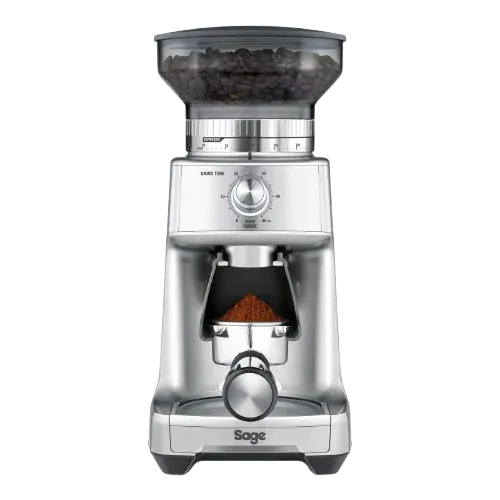
Sage Dose Control Pro: The Dose Control Pro offers more grind settings and a dosing cradle designed for Sage portafilters, but lacks the Encore ESP’s dual-range versatility for filter brewing. If you exclusively drink espresso with a Sage machine, the Dose Control Pro is the natural pairing. If you want one grinder for everything, the Encore ESP wins. Read the full Baratza Encore ESP vs Sage Dose Control Pro comparison for the workflow and retention trade-offs, or see both ranked in the best espresso grinder UK guide.
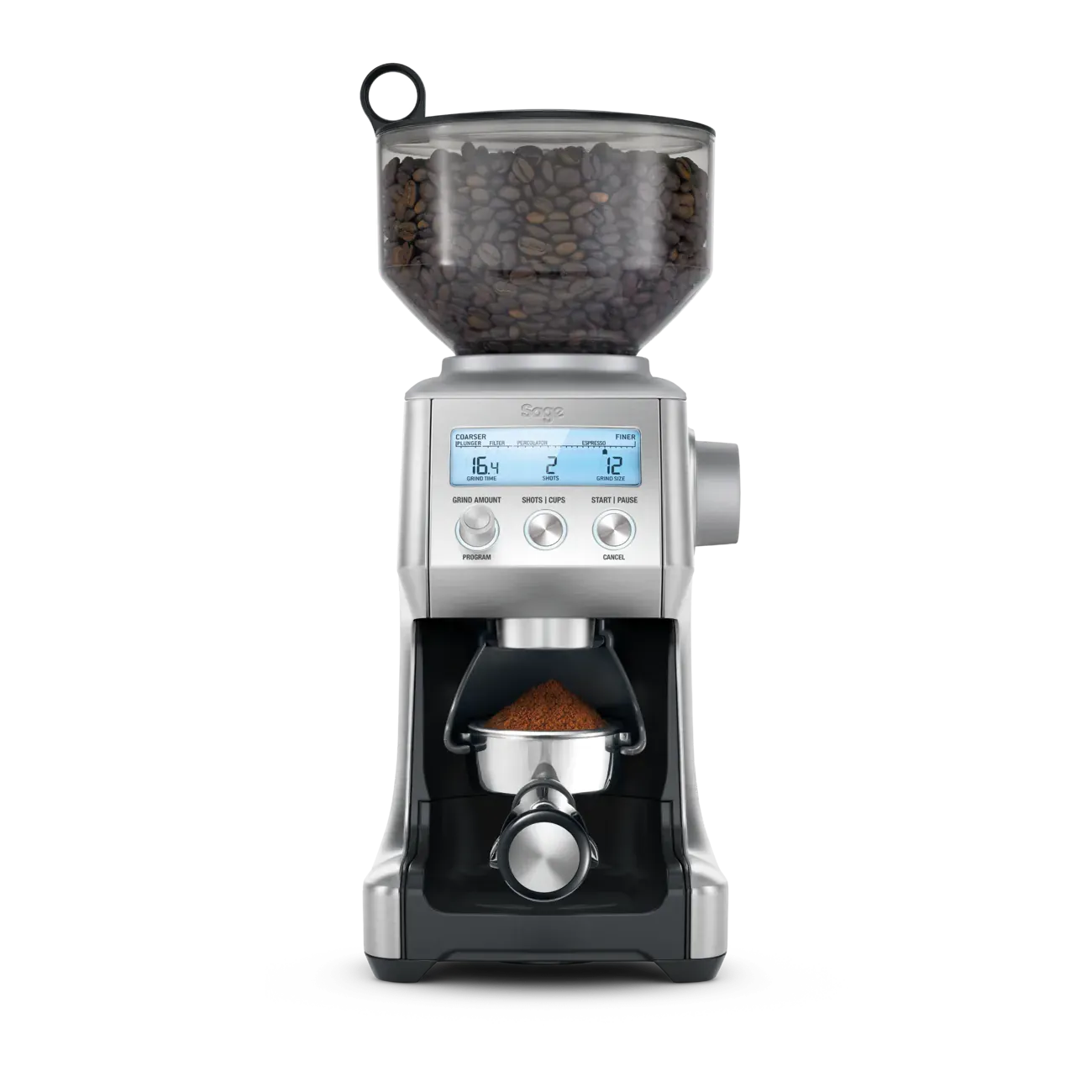
Sage Smart Grinder Pro: The Smart Grinder Pro adds an electronic dosing timer in 0.2-second steps and a 450g hopper, per Sage’s BCG820 page, but it costs roughly £50 more and is 21.5cm wide against the Encore ESP’s 13cm. Read the Sage Smart Grinder Pro vs Baratza Encore ESP comparison for which buyer each one suits.
Encore ESP vs 1Zpresso JX-Pro (hand grinder): The JX-Pro grinds finer with less retention and zero noise, but you’re hand-cranking 30 to 45 seconds per dose. The Encore ESP trades some grind quality for the convenience of pressing a button. If you’re making 3 or more drinks daily, electric saves your wrist.
Grinder Pairing and Machine Fit
The Encore ESP pairs best with entry and mid-range espresso machines:
-
Sage Bambino Plus: The most popular pairing. The 54mm dosing cup fits the Bambino’s portafilter directly. A proven beginner combination that owners consistently recommend on r/espresso.
-
Gaggia Classic: Use the 58mm adapter and confirm the machine generation and retailer pressure setup. The Encore ESP is usable here, although finer grinder adjustment gives the 58mm basket more room to dial in.
-
Sage Barista Express Impress: Not recommended. The BEI has a built-in grinder, so you’d be paying for redundancy. Only makes sense if the built-in grinder breaks.
FAQ
Is the Baratza Encore ESP good enough for espresso?
The Baratza Encore ESP produces espresso-quality grinds for medium and dark roasts using its 20 micro-stepped espresso settings. Owners on r/espresso consistently report good results paired with machines like the Bambino Plus and Gaggia Classic.
What is the difference between the Encore and Encore ESP?
The Encore ESP adds 20 espresso-specific micro-steps that the standard Encore lacks, includes a 54mm dosing cup with 58mm adapter, and uses a metal adjustment ring instead of plastic. The original Encore cannot grind fine enough for espresso without modification.
Does the Baratza Encore ESP work with a Sage Bambino Plus?
The Baratza Encore ESP includes a 54mm dosing cup that fits Sage portafilters directly. This combination is one of the most recommended beginner setups on r/espresso. Owners report consistent results with medium to dark roast beans.
How loud is the Baratza Encore ESP?
The Baratza Encore ESP measures approximately 92 dB during operation, roughly equivalent to a lawnmower at short distance. The sound profile is described as rattly rather than smooth, and it vibrates noticeably on countertops during grinding.
Is the Baratza Encore ESP good for light roasts?
The Baratza Encore ESP struggles with light roast precision because its stepped adjustment can land between ideal settings. Installing calibration shims helps reach finer grinds but increases retention and clumping. Budget for a DF54 or Eureka Mignon if light roasts are your focus.
How much coffee does the Baratza Encore ESP retain?
The Baratza Encore ESP has no single published retention figure. Owner reports vary with seasoning, cleaning and tapping, from barely measurable losses to a noticeable amount lost on the first dose after cleaning. Your first dose each day can include stale grounds, so tap the hopper and purge a small amount before the first shot.
What size portafilter does the Encore ESP fit?
The Baratza Encore ESP includes a 54mm dosing cup for Sage machines and a 58mm adapter ring for standard portafilters. This dual compatibility means it works with most popular home espresso machines including both Sage and Gaggia models.
Can the Baratza Encore ESP grind for filter coffee too?
The Baratza Encore ESP has 40 grind settings split into two ranges. Settings 1 to 20 cover espresso, while settings 21 to 40 handle filter methods including pour-over, AeroPress, and French press. Switching between ranges takes a simple twist of the hopper.
Final Verdict: Baratza Encore ESP
This is the choice for buyers who want an approachable electric grinder for a Bambino Plus or Gaggia Classic. Its 20 espresso-focused steps, dosing cup and broad machine fit make it a sensible first setup. Noise, retention and limited light-roast control are real constraints, so buyers already chasing maximum clarity should start higher.