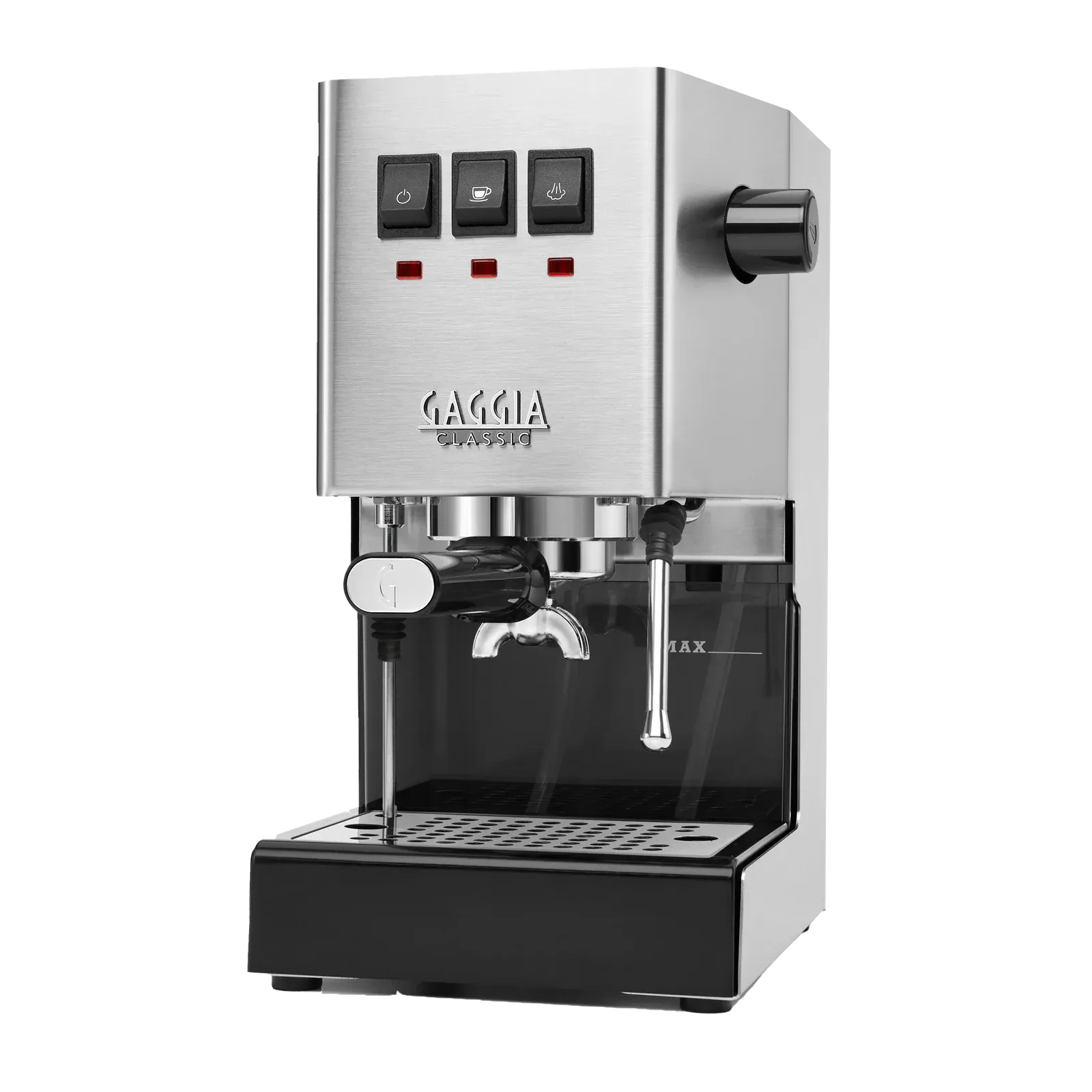
The Gaggia Classic Evo Pro is worth considering if you want a compact, repairable 58 mm espresso machine and enjoy controlling the process yourself. It is not our default new-machine recommendation in 2026. UK listings now cover several Classic generations, and the 2023 Evo’s coated aluminium boiler has a documented history of flaking on some units.
This Gaggia Classic Evo Pro review is specifically about the 2023 UK and European Classic Evo, model family RI9481, rather than the brass-boiler E24 or the 2026 Classic UP. Before buying, confirm the data plate, boiler material and seller’s pressure specification in writing. A vague product title is not enough.
TL;DR
Buy it for: a 58 mm portafilter, strong manual steam wand, three-way solenoid valve and repairable layout.
Check first: whether the machine has the 2023 coated aluminium boiler, a later uncoated aluminium boiler or the 120 ml E24 brass boiler.
Do not assume: that a UK Evo has the US model’s factory 9 bar OPV. The UK technical sheet states a 15 bar pump, while sellers may alter the OPV.
Skip it for: instant milk drinks, stable temperature without a routine, or a machine that needs no separate grinder.
Quick Verdict: Gaggia Classic Evo Pro Review
The Classic Evo Pro can make excellent espresso, but it asks more of its owner than the product page suggests. The 58 mm stainless steel portafilter, brass group, compact 23 × 38 × 24 cm body and professional steam wand are serious hardware. Its small boiler, thermostat control and single-boiler workflow require patience.
The buying problem is model identity. Gaggia’s UK distributor says the 2023 machines used non-stick coated aluminium boilers, polished aluminium returned in April 2024, and E24 brass-boiler stock followed later in 2024. Those versions can appear under very similar Classic, Evo and Pro names. The distributor also says the boilers are interchangeable, which makes a used machine’s history more important than its badge.
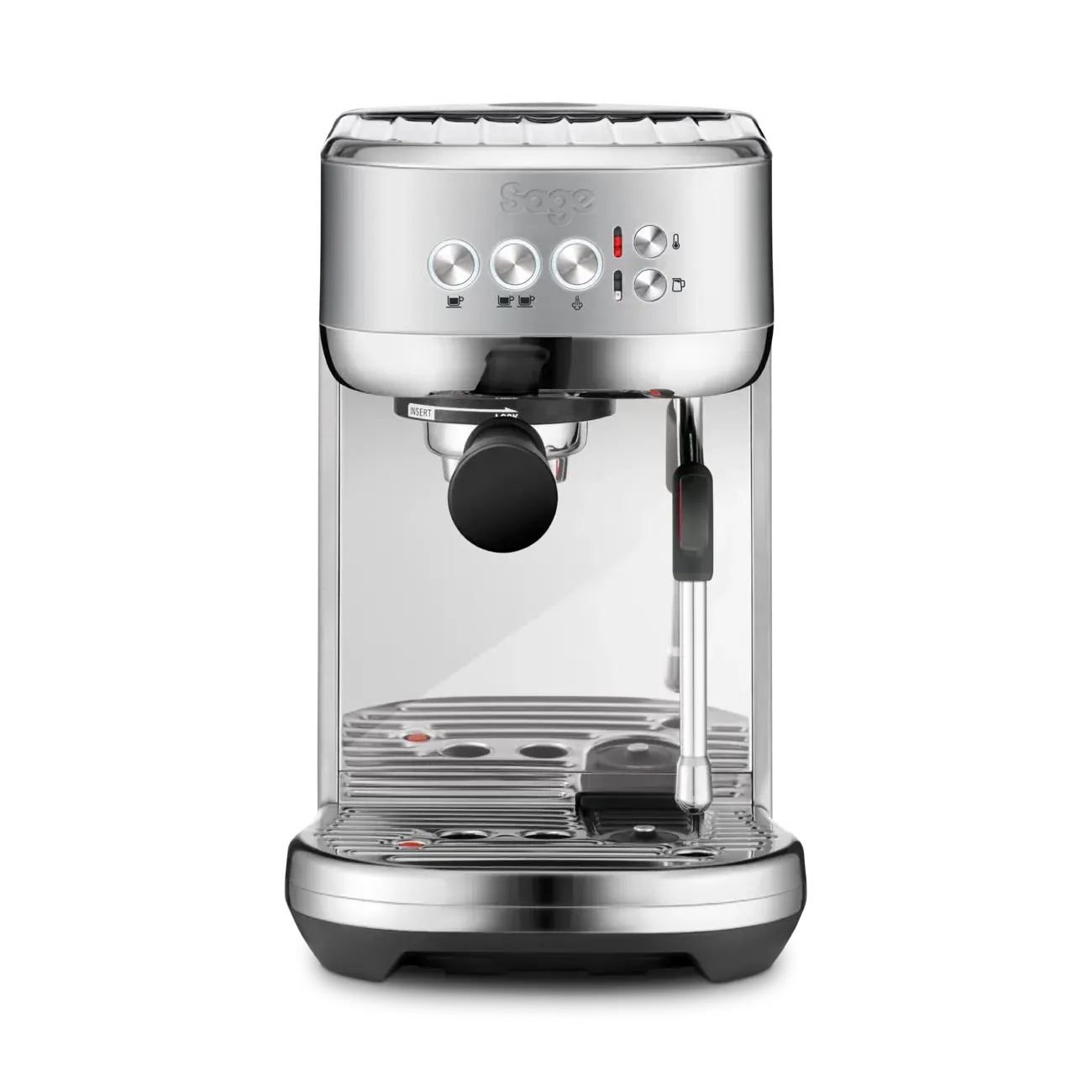
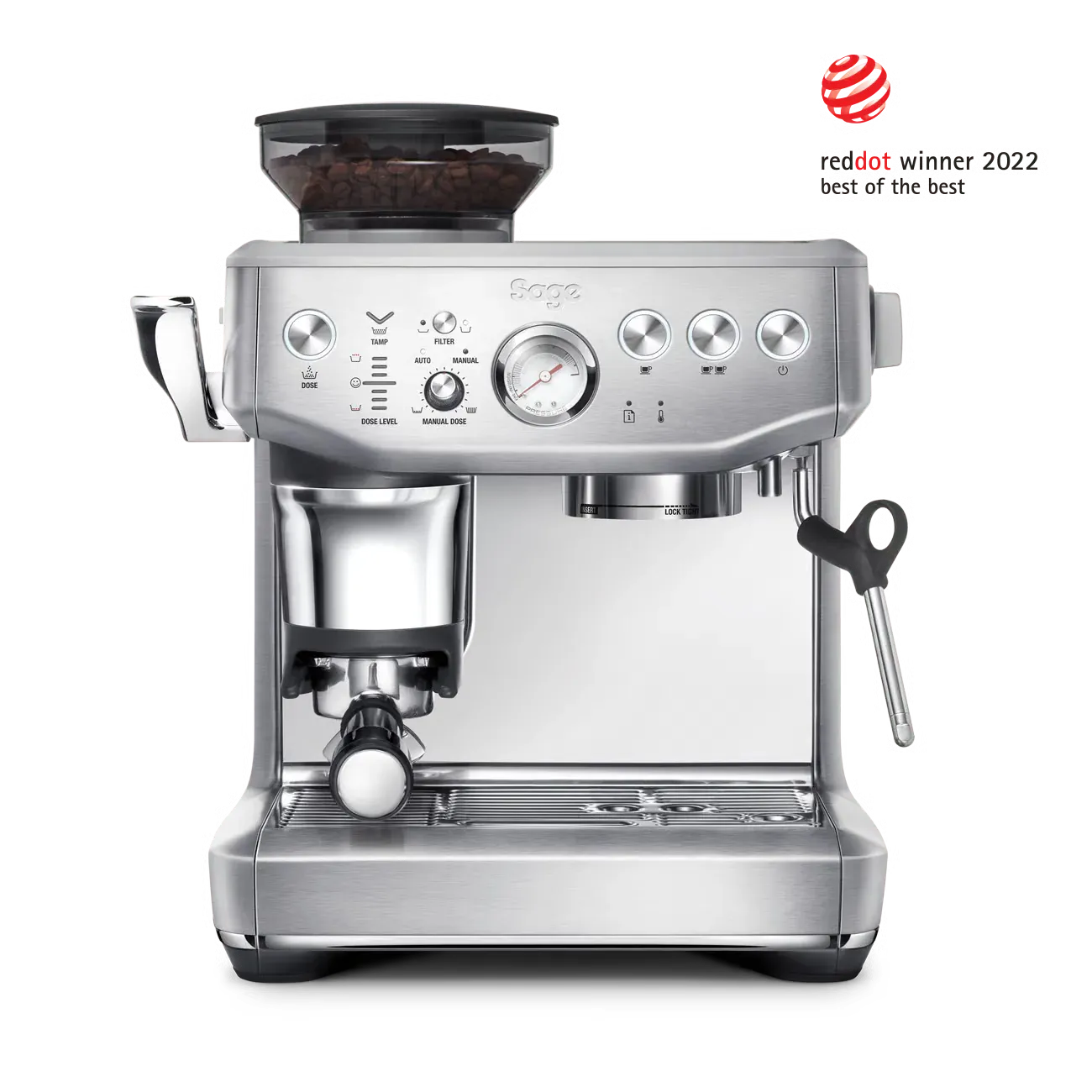
Our recommendation is conditional: buy a Classic Evo Pro only when the seller identifies the boiler and pressure setup, the condition is documented and the value is clearly better than a current E24. If the seller cannot answer those questions, walk away. The Sage Bambino Plus review covers the easier alternative for flat-white drinkers.
Which Gaggia Classic Is This?
The name on a marketplace listing is unreliable because retailers combine regional naming and later boiler revisions. Use the model plate and seller’s written specification, then ask for a photo of the boiler on a used or opened machine.
| Version | What identifies it | Boiler | Temperature control | Buying implication |
|---|---|---|---|---|
| Classic Evo, 2023 UK/EU | RI9481 family; seller confirms 2023 specification | Coated aluminium, small capacity | Brew and steam thermostats, no PID | Check for coating history and seller support |
| Classic, 2024 aluminium | Similar external case and controls | Polished aluminium | Brew and steam thermostats, no PID | Not the same boiler as the 2023 Evo |
| Classic E24 | Seller explicitly states E24 and brass boiler | 120 ml lead-free brass | Brew and steam thermostats, no PID | Better thermal mass, but still needs a manual routine |
| Classic UP, 2026 | TFT display, pressure gauge and backlit toggles | 120 ml lead-free brass | Two PIDs plus adjustable brew temperature | A different, newer and more automated machine |
Gaggia UK’s Classic boiler history separates the 2023 coated aluminium, 2024 polished aluminium and E24 brass versions. Gaggia’s current Classic UP specification lists a 58 mm portafilter, 9 bar brewing pressure, two PIDs, three pre-infusion levels and an analogue gauge. None of those UP controls belongs to the 2023 Evo reviewed here.
Who Should Buy the Gaggia Classic Evo Pro?
-
Espresso drinkers who want to learn dosing, distribution, tamping and temperature management
-
Buyers who already own, or have budgeted for, a capable espresso grinder
-
People who value a 58 mm accessory ecosystem and widely documented internal parts
-
Households making 1 or 2 drinks at a time
-
Used buyers comfortable checking the model plate, service record and boiler condition
-
Enthusiasts who may modify the machine after the warranty ends and understand the risks
Who Should Skip It?
-
Anyone expecting a sealed-box appliance with one unambiguous 2026 specification
-
Buyers who cannot verify whether an Evo has a coated, uncoated or replacement boiler
-
People who want automatic milk texturing or simultaneous brewing and steaming
-
Light-roast drinkers who want adjustable temperature without learning a repeatable routine
-
Anyone planning to use pre-ground coffee as the normal workflow
-
Buyers who want a factory PID, pressure gauge and pre-infusion control
For a wider shortlist, see our best espresso machine under £500 UK guide.
Key Specs
| Spec | 2023 UK/EU Classic Evo detail |
|---|---|
| Model family | RI9481 / SIN035UR |
| Heating system | Single coated aluminium boiler |
| Group | Lead-free brass |
| Portafilter | 58 mm stainless steel |
| Pump | 15 bar nominal |
| OPV | Verify seller setup; do not infer 9 bar from US reviews |
| Steam wand | Professional stainless steel, two-hole tip |
| Water tank | 2.1 L, removable from the front |
| Controls | 3 rocker switches, no PID or pressure gauge |
| Solenoid valve | Three-way |
| Dimensions | 23 × 38 × 24 cm |
| Weight | 7.3 kg |
| UK power | 230 to 240 V, 1,050 W on the 2023 technical sheet |
| Auto-off | 20 minutes |
| Grinder | Not included |
The primary sources are Gaggia’s 2023 Classic Evo technical sheet and European operating manual. Neither document states a boiler volume for the 2023 Evo, so this review does not quote one.
Gaggia Classic Evo Pro Espresso Performance
The machine’s appeal starts with the 58 mm format. Freshly ground coffee goes into a standard-sized basket, the heavy portafilter locks into a brass group, and the three-way solenoid releases pressure after brewing. You can use precision baskets, tampers and distribution tools without being trapped in a small proprietary ecosystem.
Good espresso is possible, but the Evo does not control all the variables for you. It has thermostats rather than a PID, no pressure gauge and no programmable pre-infusion. The ready light reports thermostat state, not the temperature of the whole group and portafilter. Give the machine time to warm through with the portafilter locked in, then keep the same routine between shots.
For a conventional double espresso, begin near an 18 g dose and a 1:2 ratio, then adjust the grinder to reach the target taste rather than chasing one universal shot time. Medium roasts are the easiest place to start. Light roasts demand finer temperature control and expose the limits of the small boiler more quickly.
Pressure Is a Regional Specification
The old claim that every Evo Pro ships at 9 bar was too broad. Gaggia’s UK sheet specifies the pump’s nominal 15 bar rating, not pressure at the coffee puck. The over-pressure valve limits the brew circuit, but UK owner discussions show factory and retailer-modified setups vary. Some specialist sellers fit a 9 bar spring before delivery.
That distinction matters. Pump rating, OPV setting and pressure at a flowing coffee puck are not interchangeable numbers. Ask the seller what has been fitted to the exact machine. Do not open a new unit merely to copy a US tutorial because electrical work or an OPV change may affect the warranty.
Temperature Surfing Is Part of Stock Ownership
The brew thermostat cycles above and below its switching points, so the same light can precede different water temperatures. A simple routine helps: warm the machine and portafilter, flush consistently, wait for the brew light to cycle, then start each shot at the same point. Change one variable at a time.
This is manageable for 1 or 2 drinks, but it is not the precision of a user-adjustable PID. The E24’s brass boiler adds thermal mass, while the Classic UP moves to two PIDs and adjustable brew temperature. Those improvements do not retroactively become features of the 2023 Evo.
Steam and Milk Performance
The 2023 Evo has a professional stainless steel steam wand with a two-hole tip, not a Panarello attachment. That correction matters because the stock wand is capable of creating fine microfoam. The technique is manual: purge condensation, place the tip just below the surface, introduce air briefly, then create a whirlpool to finish the texture.
Gaggia’s manual says the steam light comes on after roughly 15 to 20 seconds and limits continuous steam delivery to 60 seconds. Real workflow takes longer because you brew first, switch to steam, purge, texture the milk and then cool the boiler before another shot. The manual specifically instructs users to dispense hot water through the group after steaming so the next coffee does not taste burnt.
The small boiler suits one cappuccino or flat white. Several drinks in a row become a sequence of heating and cooling rather than a smooth service. If milk speed matters more than manual control, the Bambino Plus is the better fit.
Grinder Pairing
The Gaggia Classic Evo Pro needs an espresso-capable burr grinder. The unpressurised 58 mm basket exposes changes in grind size, dose and bean age, so ordinary blade grinders and coarse all-purpose burr grinders will make dialing in unnecessarily difficult.
Our default pairing is the Baratza Encore ESP. It gives the fine adjustment range needed for espresso without forcing a beginner into a fully stepless workflow. The included dosing cup and 58 mm adapter also suit the Classic. Read our Baratza Encore ESP review or the best espresso grinder UK guide for the full reasoning.
The Sage Dose Control Pro is workable if you prefer hopper-fed direct dosing, but its retention and wider steps make switching beans less tidy. Our Encore ESP vs Sage Dose Control Pro comparison explains that trade-off.
Spend on the grinder before adding a bottomless portafilter, precision shower screen or PID. A bottomless portafilter diagnoses puck preparation; it does not repair inconsistent grinding.
What’s Actually Bad About the Gaggia Classic Evo Pro?
The Coated Boiler History Cannot Be Ignored
Owners of some 2023 Evo Pro machines documented black flakes appearing in water from the steam wand. One detailed owner report includes a confirmed coated-boiler replacement through an official importer. Another owner shared a Gaggia North America support response offering an unlined replacement boiler for an affected machine.
These reports do not prove every coated boiler will flake, and they are not evidence that the coating is toxic. They do establish a product-history issue a responsible buyer must check. Gaggia’s UK distributor still distinguishes the 2023 non-stick-boiler machines from the later aluminium and brass versions.
If an owned machine produces unexplained black particles, stop using it and contact the seller or Gaggia with the serial number, purchase date and photographs. Do not diagnose boiler material from the front badge alone.
The Name No Longer Guarantees the Hardware
“Classic Evo Pro” may describe a 2023 coated-boiler unit, later uncoated stock or a retailer listing that has been updated to E24 while retaining old copy. A model number can identify the family, but boiler replacements mean it cannot always prove the part currently fitted. This ambiguity is the biggest reason our verdict is conditional.
Stock Temperature Control Is Crude
No PID means no chosen brew temperature and no numerical feedback. A repeatable warm-up and thermostat routine can produce strong results, but it adds work and remains less precise than a factory-controlled system. Buying a machine to modify later is reasonable; presenting a modified machine’s performance as stock performance is not.
The Single-Boiler Workflow Is Slow
The Evo cannot pull espresso and steam milk simultaneously. After steaming, it must be cooled and refilled before brewing again. That is acceptable for one morning drink and frustrating for a household round. The 2.1 L tank does not change the boiler’s small working capacity.
Modifications Shift Risk to the Owner
The Classic’s documented mod scene is a genuine strength, but a PID, dimmer, pressure gauge or Gaggiuino installation involves mains-powered equipment and hot pressurised water. It can affect warranty coverage. Use a competent installer if you cannot verify electrical isolation, earthing, insulation and leak safety yourself.
Maintenance and Used-Buying Checks
Daily care is simple: purge and wipe the steam wand immediately, rinse the basket and flush loose grounds from the shower screen. Empty the drip tray before it overflows. Backflush the three-way valve with the correct cleaner at an interval suited to use, and follow Gaggia’s instructions for water hardness and descaling.
For a used machine, ask for:
-
A clear photo of the data plate and serial number
-
The purchase invoice and any boiler replacement paperwork
-
A photo identifying the fitted boiler material
-
Confirmation of the OPV spring or measured setup
-
A video showing clean water from the group and steam wand
-
A list of electrical and hydraulic modifications
-
Evidence that the pump, solenoid and steam valve work without leaks
A recently serviced aluminium-boiler machine may be a better purchase than a neglected E24. Condition and service history beat the badge.
Gaggia Classic Evo Pro vs Sage Bambino Plus
Choose the Gaggia for the 58 mm ecosystem, manual steam control, serviceable internal layout and a higher enthusiast ceiling. Choose the Sage for 3-second heater readiness, automatic milk texturing, a smaller body and less temperature ritual.
Neither includes a grinder, and neither brews and steams simultaneously. The decision is not “serious” versus “beginner” coffee. It is manual control and repairability versus speed and assistance. Our Bambino Plus vs Gaggia Classic Evo Pro comparison covers the workflow in detail.
Gaggia Classic Evo Pro vs E24 and Classic UP
The E24 keeps the familiar rocker-switch workflow but replaces the small aluminium boiler with a 120 ml lead-free brass boiler. Gaggia UK says the extra thermal mass improves temperature and steam stability. It still lacks a factory PID and pressure gauge, so it is an evolution of the Classic rather than a fully modern control system.
The 2026 Classic UP is a different product tier. Gaggia lists two PIDs, adjustable brew temperature, three pre-infusion levels, a 9 bar brewing OPV, analogue pressure gauge, shot timer and 2-inch TFT display. It packages many common enthusiast upgrades at the factory.
Do not pay E24 or UP money for an unidentified Evo. Equally, do not assume the newest machine is automatically best value. Compare the exact specification, warranty and grinder budget before deciding.
FAQ
Is the Gaggia Classic Evo Pro worth buying in 2026?
It can be worth buying when the exact boiler, pressure setup, condition and warranty are documented. We would not buy from a vague listing that only says “Evo Pro”. A verified machine at a meaningful saving can be compelling, but a current E24 is the safer comparison for a new purchase.
Does the Gaggia Classic Evo Pro have a brass boiler?
The 2023 Classic Evo reviewed here used a coated aluminium boiler. The later E24 uses a 120 ml lead-free brass boiler, while 2024 UK stock was also sold with polished aluminium. Retailer titles overlap, so ask for the exact boiler specification and do not infer it from the exterior colour or badge.
What is the Gaggia Classic Evo Pro boiler problem?
Some owners reported black flakes from the non-stick coating inside 2023 Evo boilers. Support responses shared by owners offered replacement boilers for affected machines. This does not show that every unit fails or prove a health risk, but it makes boiler identification and seller support essential before buying one.
Is the UK Gaggia Classic Evo Pro set to 9 bar?
Do not assume so. The UK technical sheet lists a 15 bar nominal pump, while the OPV controls maximum circuit pressure and can vary by region or seller modification. Some UK specialists install a 9 bar spring. Ask the seller to state the fitted OPV setup for the exact machine.
Does the Gaggia Classic Evo Pro need a PID?
No. It can make good espresso with a consistent warm-up and thermostat-surfing routine. A PID makes brew temperature visible and repeatable, which is particularly useful for lighter roasts and back-to-back shots. Treat it as an optional modification with warranty and electrical-safety implications, not a required day-one purchase.
What grinder suits the Gaggia Classic Evo Pro?
Use an espresso-capable burr grinder with small enough adjustments to control shot flow. The Baratza Encore ESP is our accessible default because its espresso range and 58 mm dosing adapter suit the Classic. A stepless grinder adds finer control, but it is less convenient when switching between brew methods.
Can the Gaggia Classic Evo Pro make good flat whites?
Yes. Its professional two-hole steam wand can texture proper microfoam, unlike the Panarello wand incorrectly attributed to it in some summaries. The limitation is speed: the single boiler must move from brew to steam temperature, then be cooled and refilled before another espresso. It suits 1 or 2 drinks.
How long should the Gaggia Classic Evo Pro warm up?
Gaggia’s manual says to wait a few minutes after switching on and to preheat the filter holder before the first coffee. The ready light only reports the boiler thermostat, so leave the portafilter locked in while the group warms through, then use the same short flush and thermostat timing before each shot.
Can I buy a used Gaggia Classic Evo Pro safely?
Yes, if the seller provides the data plate, boiler history, modification list and a clean-water demonstration. Ask whether the coated boiler was replaced and what OPV spring is fitted. Inspect for leaks and scale. If the seller cannot identify the internal hardware, price it as an unknown project rather than a ready machine.
Final Verdict: Gaggia Classic Evo Pro Review
This Gaggia Classic Evo Pro review ends with a narrower recommendation than the old page. The machine remains a strong manual espresso platform: 58 mm hardware, capable steam, compact dimensions, a three-way solenoid and an unusually deep repair community. With a good grinder and disciplined temperature routine, its coffee ceiling is high.
The 2023 coated-boiler history and confused UK naming stop it being an automatic 2026 recommendation. Buy only when the exact boiler, OPV setup, condition and seller support are clear. Otherwise compare a verified E24 or choose the Sage Bambino Plus for a faster, simpler milk-drink workflow.
This is the machine for an informed owner who wants a hands-on, serviceable espresso platform and is prepared to verify the hardware before paying. This verdict is based on Gaggia documentation, UK distributor specifications and specific owner reports, not a claimed hands-on test.