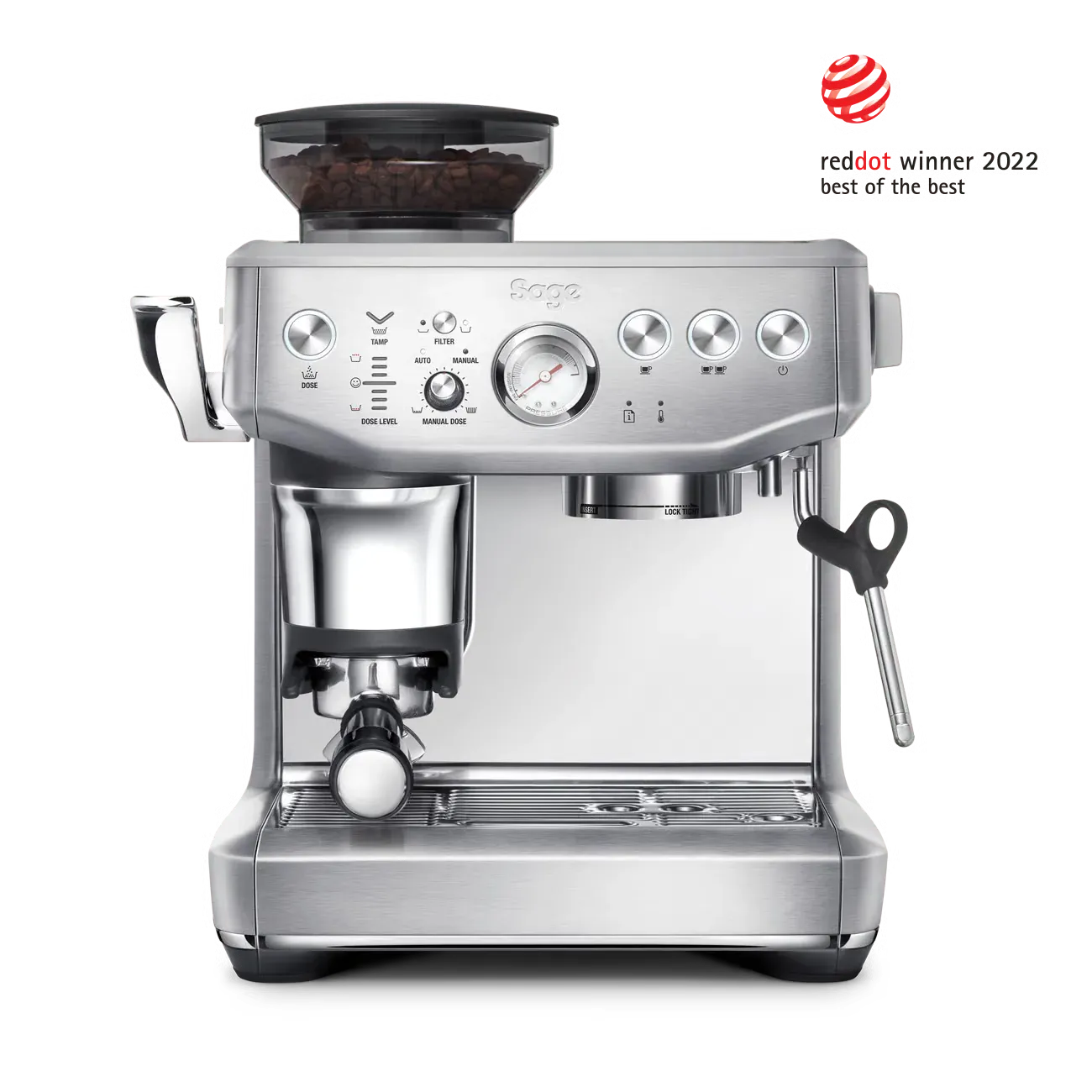
Our pick: Sage Barista Express Impress
Buy this if you want an all-in-one espresso machine with grinding and assisted tamping instead of separate components.
Check price at Amazon UK
Affiliate link
Buy this if you want an all-in-one espresso machine with grinding and assisted tamping instead of separate components.
Affiliate link
If you use “prosumer” to mean a home machine with a manual workflow and room to grow, choose a verified Gaggia Classic E24 from this shortlist. Choose the Sage Barista Express Impress when one-box convenience matters more than a 58mm platform. The Bambino Plus is the compact, convenience-first alternative rather than a prosumer machine in the traditional sense.
Ranked number 1
Buy this if you want an all-in-one espresso machine with grinding and assisted tamping instead of separate components.
Ranked number 2
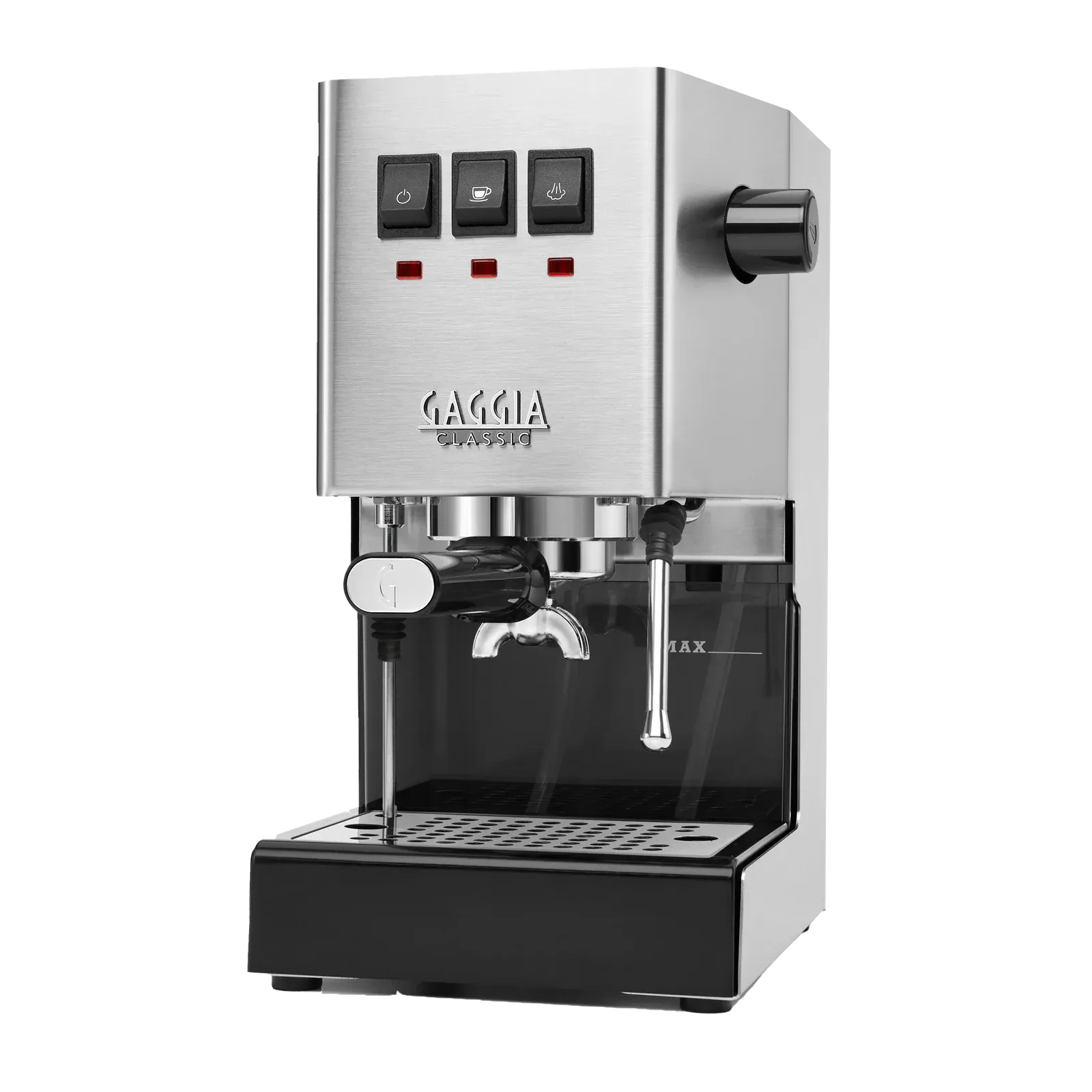
The Gaggia Classic Evo Pro remains a capable, repairable 58 mm espresso platform, but UK buyers should only choose one after confirming its boiler, model number and pressure setup.
Ranked number 3
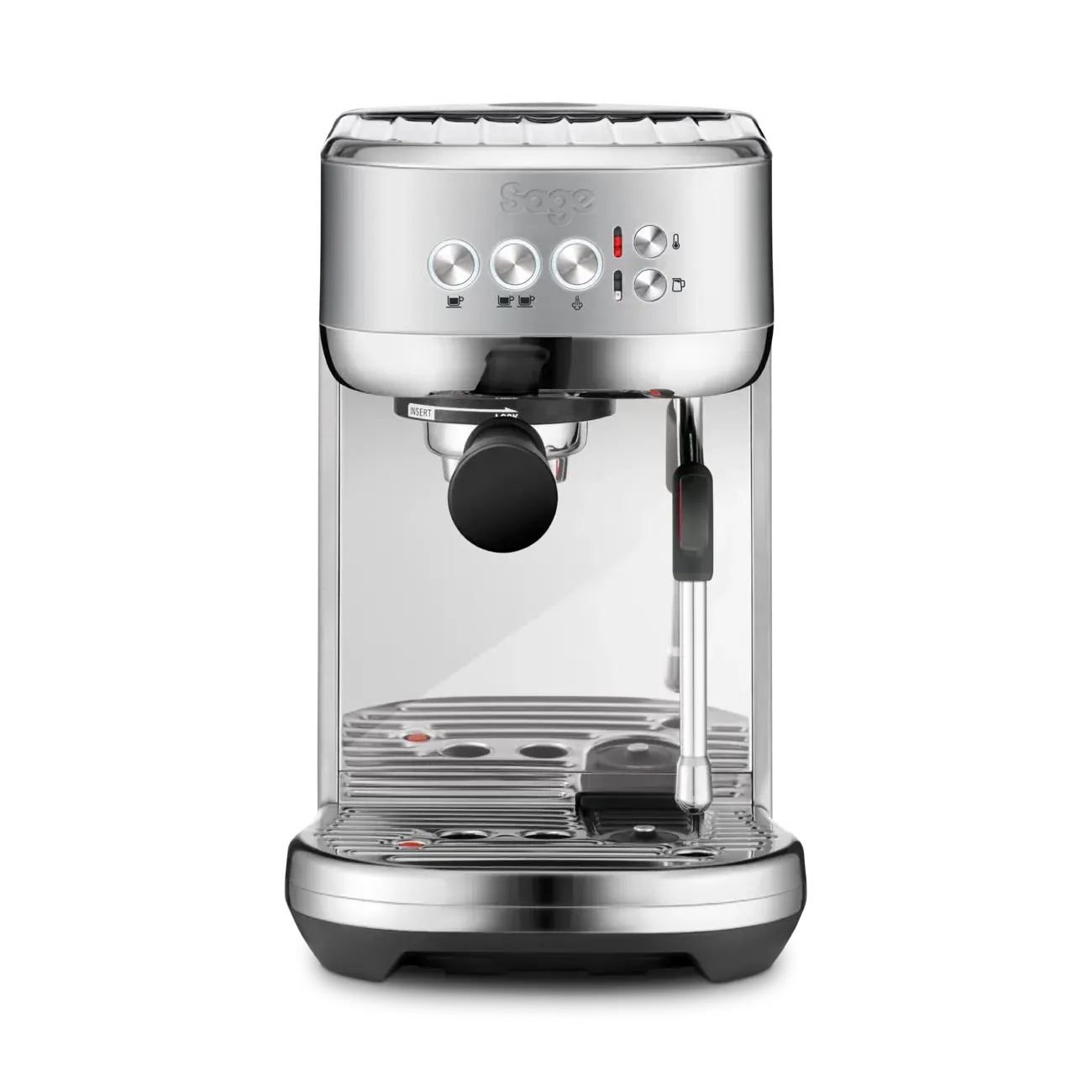
The Sage Bambino Plus is the best compact espresso machine for UK flat-white drinkers who want automatic milk texturing and will pair it with a separate grinder.
Best enthusiast platform: Gaggia Classic E24. Buy this if you want a 58mm portafilter, serviceable internals and a large modification community.
Best all-in-one: Sage Barista Express Impress. The grinder, dosing guidance and assisted tamping are handled in one appliance.
Best compact starter: Sage Bambino Plus - fastest route to good espresso when space and budget are tight constraints.
Pick based on where you are today, not where you think you’ll be in three years.
Gaggia Classic E24: Buy this if you want a machine that rewards effort. Its 120cc brass boiler, professional steam wand and 58mm portafilter support a traditional, upgradeable workflow. Confirm the current seller specification rather than assuming every Classic generation is identical.
Sage Barista Express Impress: Buy this if you want polished, consistent results from day one. The integrated grinder handles everything most home users need. Guided tamping cuts out variables. Lower ceiling than the Classic, but you probably won’t hit it.
Sage Bambino Plus: Buy this if compact size, 3-second start-up and automatic milk matter more than a 58mm ecosystem. If you are already planning internal modifications, start with the Classic instead.
Buy this if espresso is becoming a hobby, you already own a capable burr grinder or will include one in the setup, and a repeatable warm-up routine sounds interesting rather than irritating.
Skip this if you want milk drinks ready in under 60 seconds every morning. Skip this if “modding community” makes your eyes glaze over. Skip this if you just want to press a button and get consistent results.
Buy this if you want machine and grinder sorted in one purchase. Buy this if guided tamping appeals - it cuts down variables for new users. Buy this if you want good espresso from week one without researching grinders and pressure mods.
Skip this if you already own a quality standalone grinder. You’ll be paying for a built-in grinder you won’t use. Skip this if you know you’ll want to upgrade the grinder in year two and hate redundant kit sitting around.
Buy this if your counter space is tight and you want automatic milk texturing without learning steaming technique.
Skip this if you’re already thinking about bottomless portafilters and PID mods - you’ll outgrow it fast. Skip this if you want manual control over every variable. Skip this if you’re chasing latte art competition standard.
What this actually means:
Gaggia Classic E24: The ready light appears before the group is fully warm, so allow a consistent warm-up. Its 58mm hardware supports a broad upgrade ecosystem.
Bambino Plus: 3-second heat-up via ThermoJet. Perfect for quick morning shots in small kitchens.
Barista Express Impress: Sage’s manual allows up to 55 seconds for the heating light to stop flashing. The built-in grinder adds convenience but also pushes weight to 10.98 kg, per John Lewis’s specification.
The Sage machines document 9-bar extraction. Gaggia pressure specifications vary by generation and retailer setup, so verify the seller’s figure rather than comparing nominal pump ratings. The practical difference is how much work you do to get repeatable shots.
Comes with proper 58mm commercial-size portafilter. This matters because it opens up the entire aftermarket basket ecosystem. Every serious upgrade assumes 58mm.
The E24 uses a 120cc lead-free brass boiler and 58mm group. Gaggia Direct lists a nominal 15-bar pump and an 11-to-15-bar OPV range, so do not assume a universal 9-bar UK setup. Some specialist retailers fit different springs before delivery; verify the exact machine you are buying.
Pair the E24 with a capable grinder and a consistent warm-up routine before considering modifications. A PID can simplify temperature management, but it should solve an observed limitation rather than become an automatic first purchase.
54mm portafilter with integrated burr grinder and assisted tamping. The guided workflow genuinely helps new users nail consistent shots faster than raw trial and error.
The integrated grinder handles a practical home workflow, although a dedicated grinder can offer finer adjustment and independent upgrades. For most UK users, the Impress reduces setup complexity compared with the Gaggia.
Also 54mm portafilter. At 9 bar with 3-second heat-up, it’s the fastest machine here from cold to shot.
Shot quality is capable, but the grinder becomes the limiting factor before many buyers outgrow the machine. Pair it with an espresso-capable grinder rather than treating grinding as an afterthought.
This is where your daily routine gets made or broken.
Sage’s Bambino Plus specification documents automatic milk texturing with three temperature and three texture settings. You still pour the milk and position the jug, but the machine stops at the selected setting. If you want flat whites without practising manual steaming first, this is the easiest option here.
The manual steam wand leaves aeration, the whirlpool and stopping temperature to you. Sage’s official manual describes a sequential brew-then-steam workflow rather than simultaneous operation, so milk drinks take more involvement than on the Bambino Plus.
Choose this if you want to develop steaming skills without the frustration of learning on weak steam power.
Gaggia Direct lists a commercial-style two-hole steam wand. It provides manual control, but the single-boiler machine must switch from brewing to steam mode and the result depends on technique. The linked Home-Barista owner discussion is useful workflow context, but it does not establish one universal steaming time.
If speed matters more than technique, the Bambino Plus wins here easily.
No PID from the factory. Temperature consistency relies on a repeatable warm-up and brew routine. PID kits exist, but installation adds cost, can affect warranty support and should follow grinder and technique improvements rather than precede them.
You need a standalone espresso-capable grinder. Compare the complete setup cost with the Barista Express Impress, not just the machine prices.
There is no temperature control from the factory. The ready light appears before the whole group is fully warm, so repeatable shots require a consistent warm-up routine. A PID can simplify this, but it is an aftermarket change rather than a requirement for using the machine.
Weighs 10.98 kg with that integrated grinder. If you later upgrade to standalone grinding, you’re stuck with a built-in unit you can’t remove. The 54mm portafilter limits aftermarket options compared to 58mm.
It costs more than the compact machines in this guide. See Best Espresso Machine Under £500 UK for the stricter budget comparison.
Lower performance ceiling than the other two. 54mm portafilter and limited manual control mean serious users outgrow it. If you’re already thinking about dialing in shots and chasing latte art, start with the Gaggia Classic instead.
Auto steam wand doesn’t teach manual technique. Brilliant for consistency, frustrating if you want to develop skills. No integrated grinder means you still need to budget for standalone grinding, which pushes total cost toward Classic territory.
For detailed head-to-heads, check:
Sage Bambino Plus vs Gaggia Classic Evo Pro
Sage Bambino Plus vs Barista Express Impress
Barista Express Impress vs Gaggia Classic Evo Pro
Bottom line: the Classic E24 has the highest manual ceiling and broadest modification path. The Barista Express Impress is the easiest one-box route. The Bambino Plus is the compact choice for automatic milk.
Choose the Gaggia Classic E24 if you already own a capable grinder and want a 58mm, serviceable platform. Confirm the retailer’s pressure setup because UK machines and seller modifications vary. Choose the Barista Express Impress when you want grinding and assisted tamping handled in one purchase.
Yes. The Bambino Plus has no grinder, and repeatable espresso needs fresh, consistently ground coffee. Include an espresso-capable burr grinder in the complete setup budget and compare that total with the Barista Express Impress before committing.
Bambino Plus: 3 seconds via ThermoJet. Barista Express Impress: allow up to 55 seconds according to Sage’s manual. Gaggia Classic E24: allow the boiler and group to warm fully rather than relying only on the ready light. That workflow difference matters on busy mornings.
The Sage machines document 9-bar extraction from a 15-bar pump. Gaggia Direct lists the E24 with a nominal 15-bar pump and an 11-to-15-bar OPV range, while some specialist retailers modify pressure before delivery. Verify the seller’s setup rather than assuming identical numbers describe pressure at the coffee puck.
Bambino Plus is the easiest choice for repeatable daily milk drinks because it automates temperature and texture. The Barista Express Impress and Gaggia Classic E24 use manual wands, so both require practice; the Gaggia also requires a deliberate switch from brew to steam mode.
The Gaggia suits motivated beginners who want espresso as a hobby. Its warm-up routine, manual steaming and grinder pairing create a steeper learning curve. Beginners wanting repeatable milk drinks quickly will find either Sage machine more approachable.
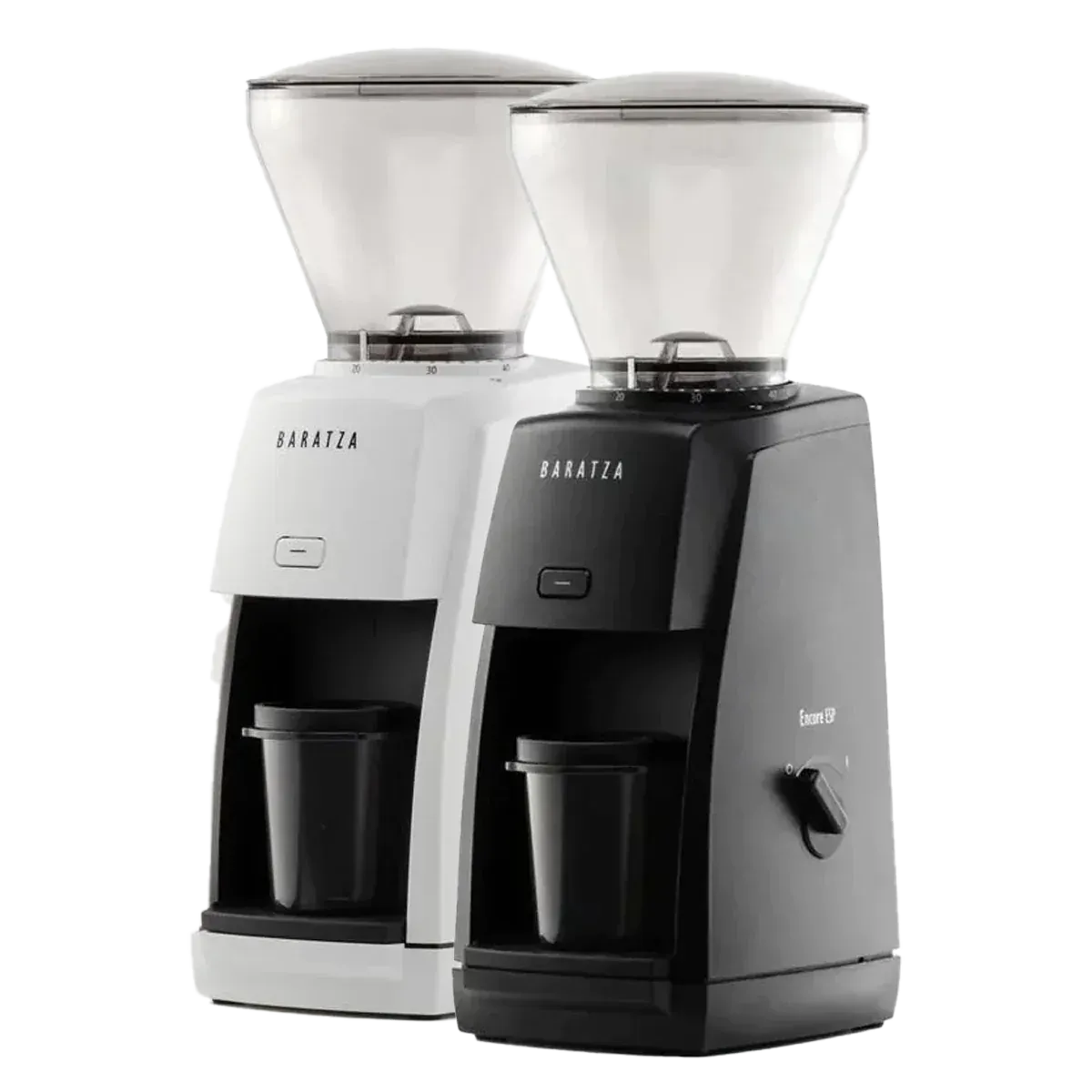
Choose an espresso-capable grinder with fine, repeatable adjustment. The Sage Dose Control Pro prioritises direct-to-portafilter convenience, while the Baratza Encore ESP is more flexible. The Barista Express Impress includes grinding, so compare complete setup costs.
The best prosumer espresso machine UK buyers should choose comes down to one question: do you want to grow into the machine, or do you want it to meet you where you are right now?
Gaggia Classic E24 is the choice for anyone who wants to learn, tinker and upgrade over years. Its 58mm portafilter, brass boiler and large modification community reward effort. Buy it with a quality grinder and verify the retailer’s pressure setup.
Sage Barista Express Impress is the choice for consistent espresso from one purchase. Polished, guided, and genuinely capable without separate grinder research. Lower ceiling than the Classic, but most home users never hit it anyway.
Sage Bambino Plus is the compact choice when 3-second start-up and automatic milk matter more than manual control. Remember to include a capable grinder in the complete setup.
The Gaggia Classic E24 is recommended for hands-on buyers, while the Barista Express Impress is recommended for one-box convenience. For a stricter budget, see Best Espresso Machine Under £500 UK.
Specifications come from Sage Appliances UK and Gaggia Direct’s E24 page. Owner workflow context comes from this Home-Barista E24 discussion.
Still the pick: Sage Barista Express Impress
Affiliate link
Affiliate link